

What is allowed by law and how it works in practice.
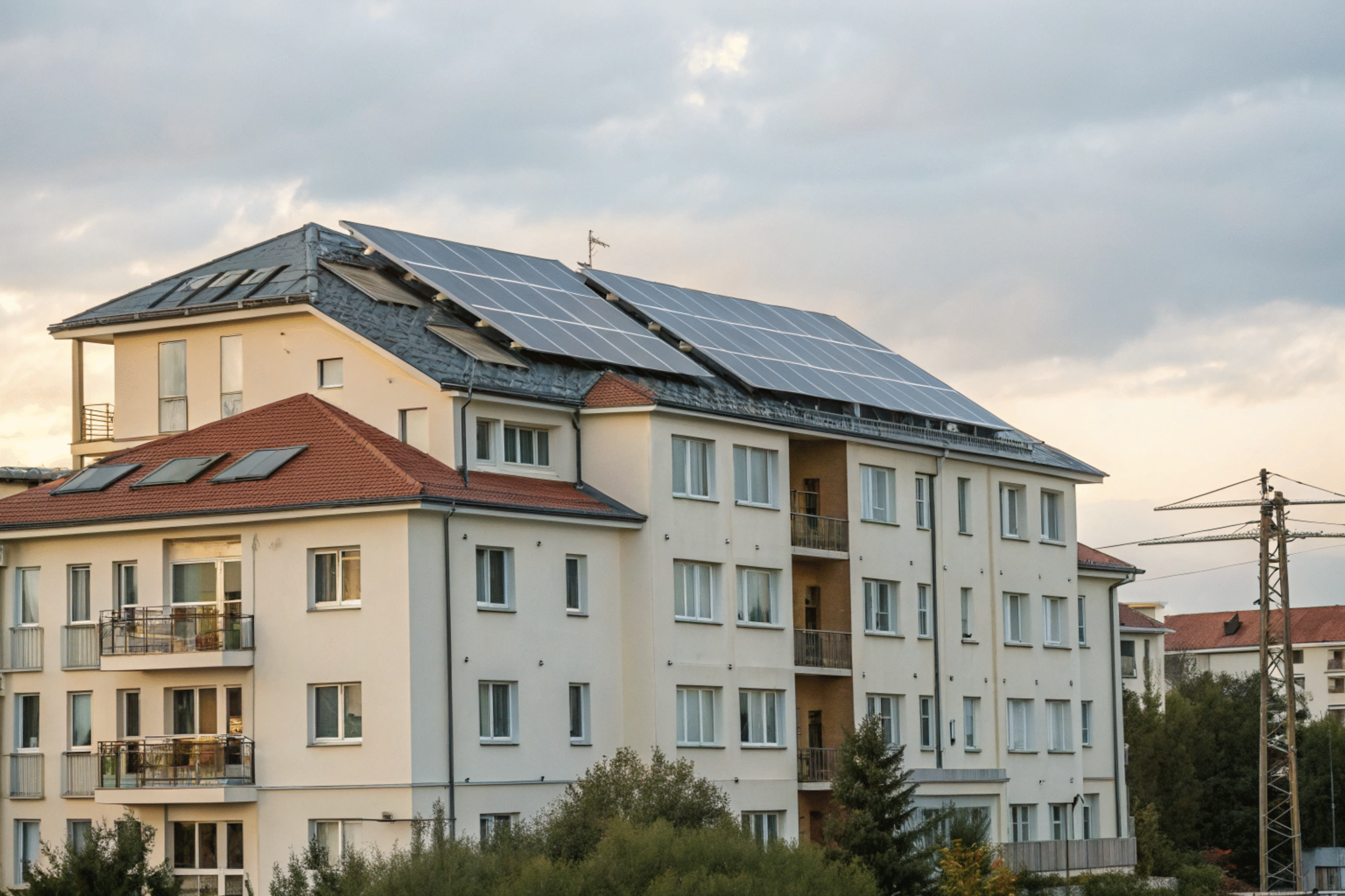
Solar power plants (SPPs) are increasingly being installed not only by private homeowners but also by residents of high-rise buildings.
But this raises a lot of questions:
- Is this allowed by law?
- Who has to give permission?
- What are the technical conditions?
- And most importantly, is it realistic to do this in Ukraine in 2025?
This article looks at how to install a solar power system in an apartment building and covers everything you need to know about the process.
Options for installing an SPP in an apartment building:
1. Individual SES for a specific apartment:
- The easiest and fastest option;
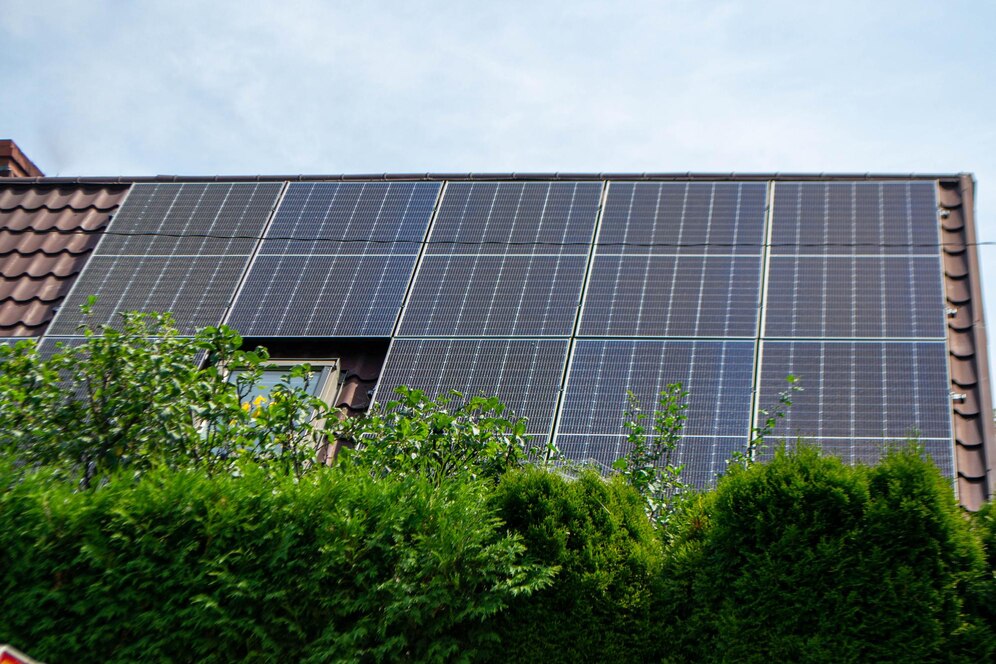
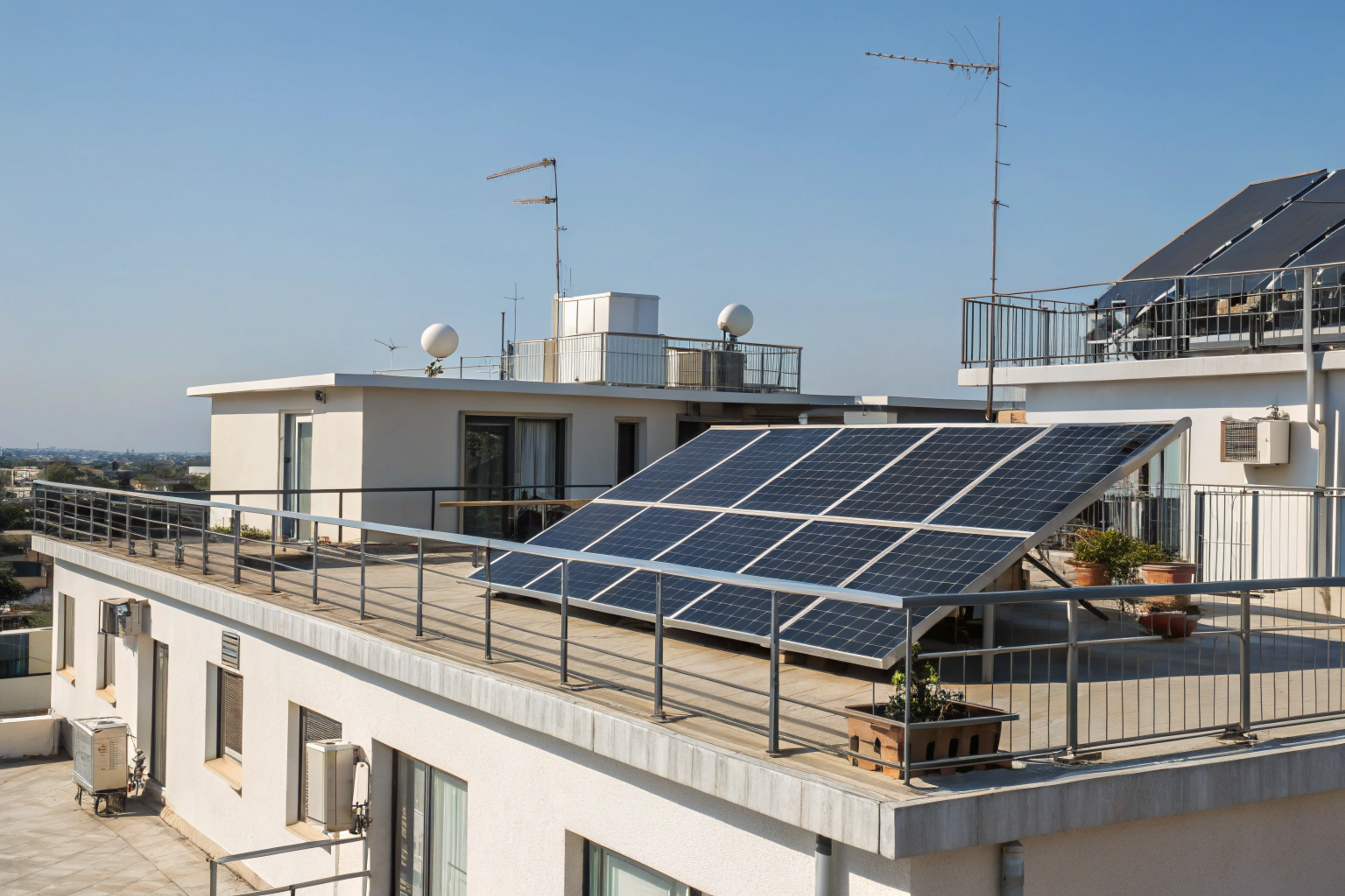
- Installed on your own balcony, facade, part of the roof (if available);
- The power is usually up to 3 kW;
- It works as an auxiliary energy source for lighting, household appliances, Wi-Fi, etc.
Ideal for residents of the top floor or with an open balcony to the south.
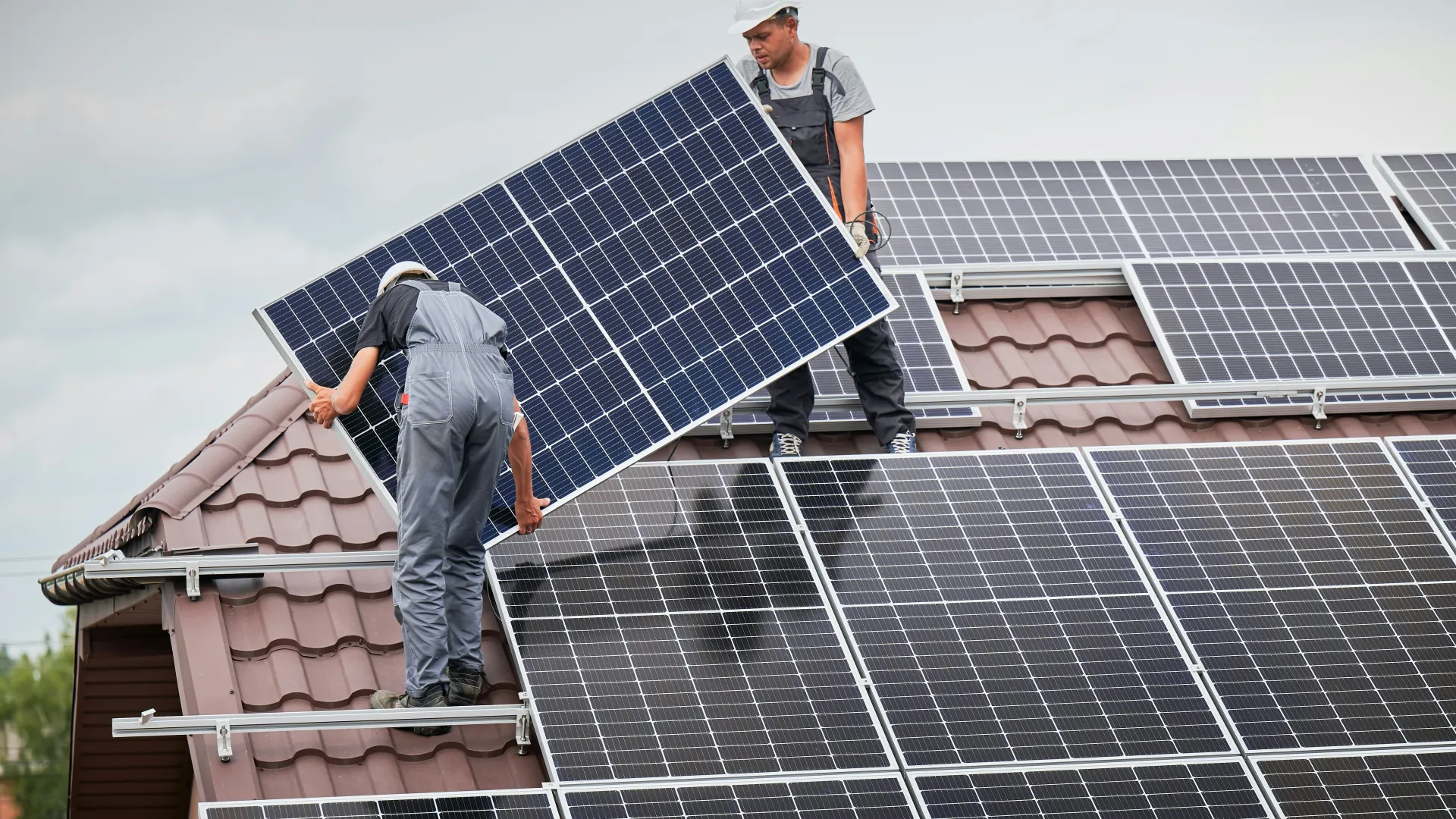
2. Collective rooftop solar power plant for the whole house
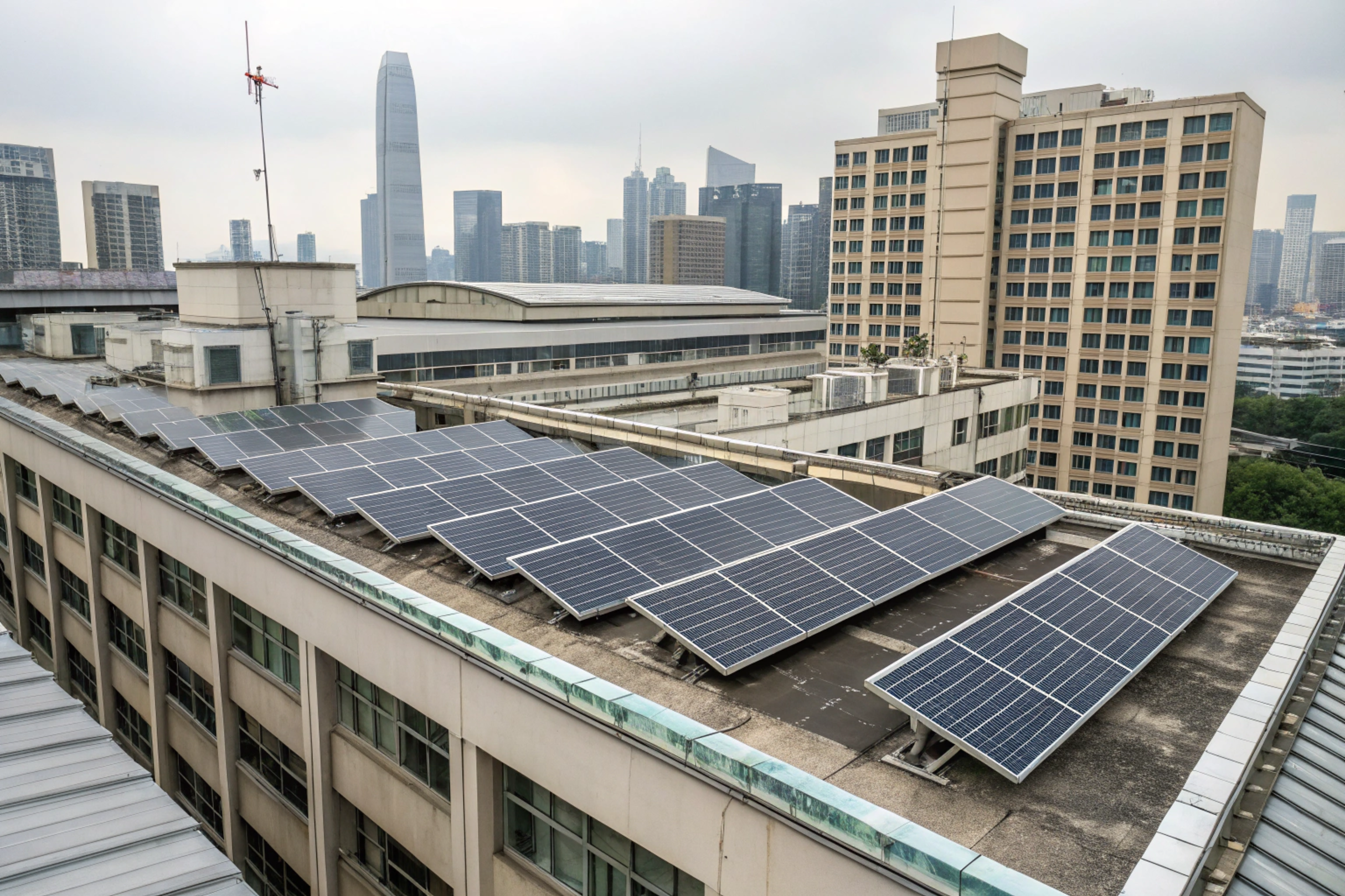
- It is installed on a common roof;
- It works for lighting entrances, elevators, intercoms, pumps, etc;
- The benefit is a reduction in the costs of condominiums or housing offices for common needs;
- Partial or complete autonomous power supply for important home systems is possible (especially during outages).
The implementation of such a SPP requires the decision of the homeowners, the project, the signing of a contract, and the power connection.
What does the law say?
In accordance with the laws of Ukraine:
- The roof of an apartment building is the common property of the co-owners (Article 382 of the Civil Code);
- To install a solar power plant, a majority of residents need to decide (50% + 1 vote);
- If you want to use the roof exclusively for yourself, you need to draw up a lease agreement or an agreement with the condominium/manager.
What documents are required?
For a collective station:
- Minutes of the meeting of co-owners;
- Agreement with the installation company;
- SES project;
- Coordination with regional power distribution companies (if necessary);
- Registration of a legal entity or condominium.
For an individual station (balcony, facade):
- Written consent of the condominium association or the head of the company (not always required, but desirable);
- Power specification: up to 3 kW does not require complex approvals.
Where can the panels be placed in a high-rise building?
Location. | May I? | Commentary. |
Roof | Yes | In agreement with the condominium or 50% of residents |
Balcony | Yes | Individually, without the consent of the condominium, if it does not violate the facade |
Facade | No | It is possible, but it requires approval from the city planning department |
Near the house | No | Only if the land is registered as an adjoining territory |

How much can you save?
- A small 1 kW balcony station can save up to 200-300 UAH/month.
- A 10-20 kW collective solar power plant for a house can save up to 40-60% on maintenance of common areas.
And this is also energy stability in the event of outages.
Tips for getting started:
- Contact the management company or condominium to find out what technical conditions apply;
- Contact the management company or condominium to find out what technical conditions apply;
- Evaluate the space on the roof or balcony: whether there is access, sunny side, possibility of attachment;
- Choose a modular system so you can start small;
- Work with specialists who have experience in installing SPPs in high-rise buildings.
Conclusion:
Installing a solar station in an apartment building is a very real and legal opportunity.
This technology enables residents to save money, provide backup power and make their building more energy independent.
- For personal use, you can even start from the balcony.
- For the whole house, the consent of the co-owners is required.
- Such projects are becoming increasingly popular in cities and towns across Ukraine by 2025.