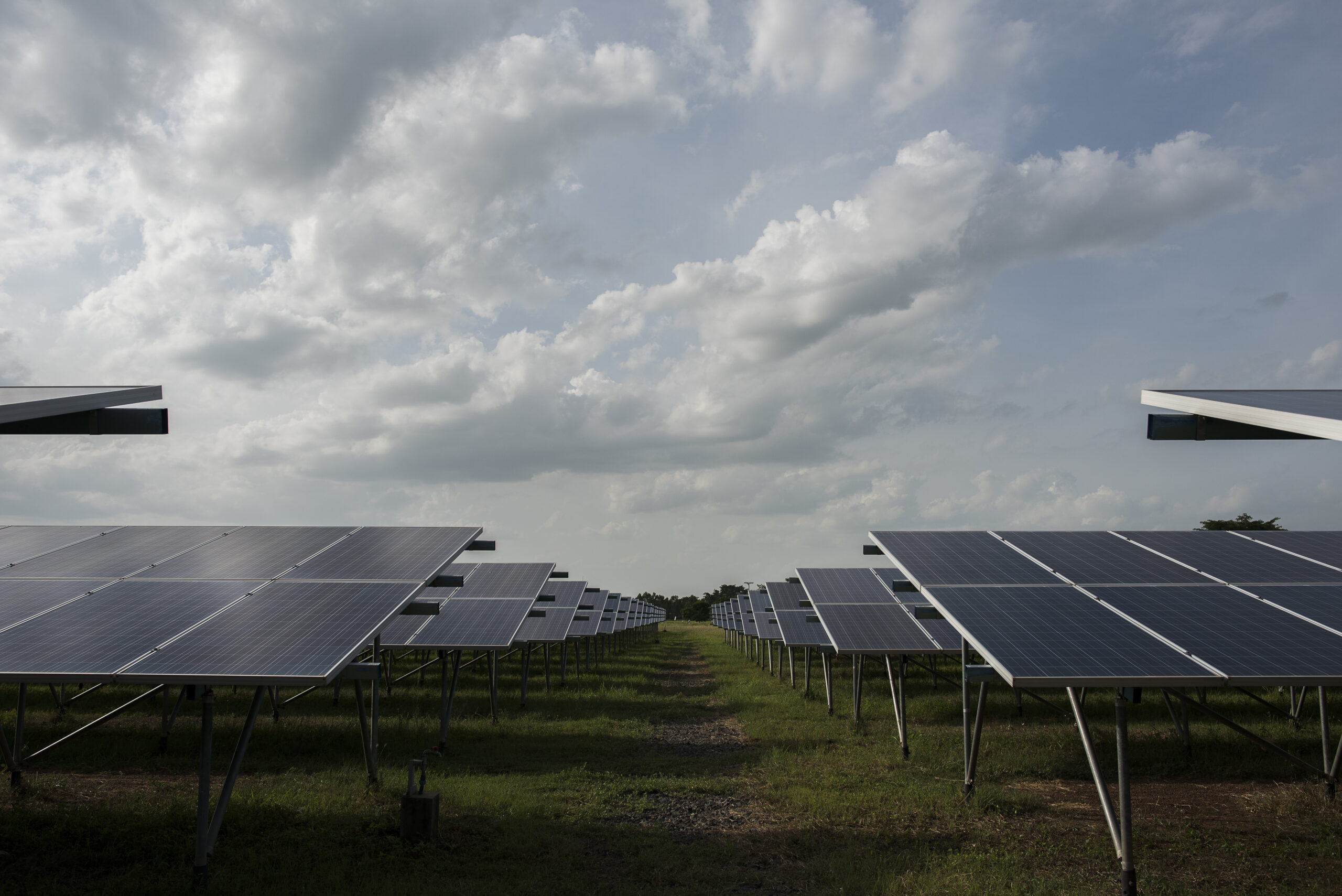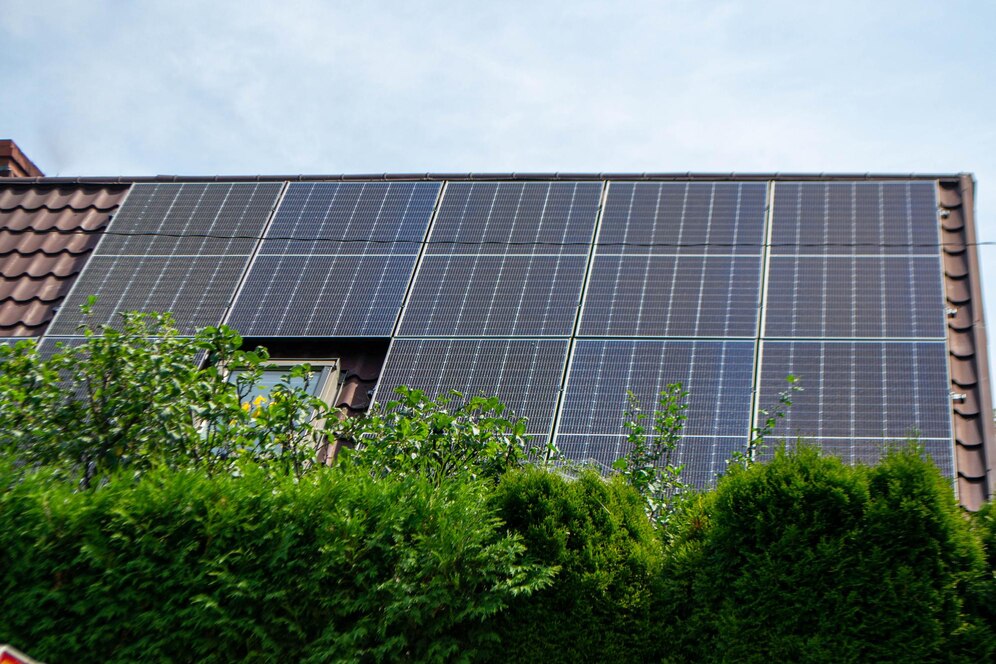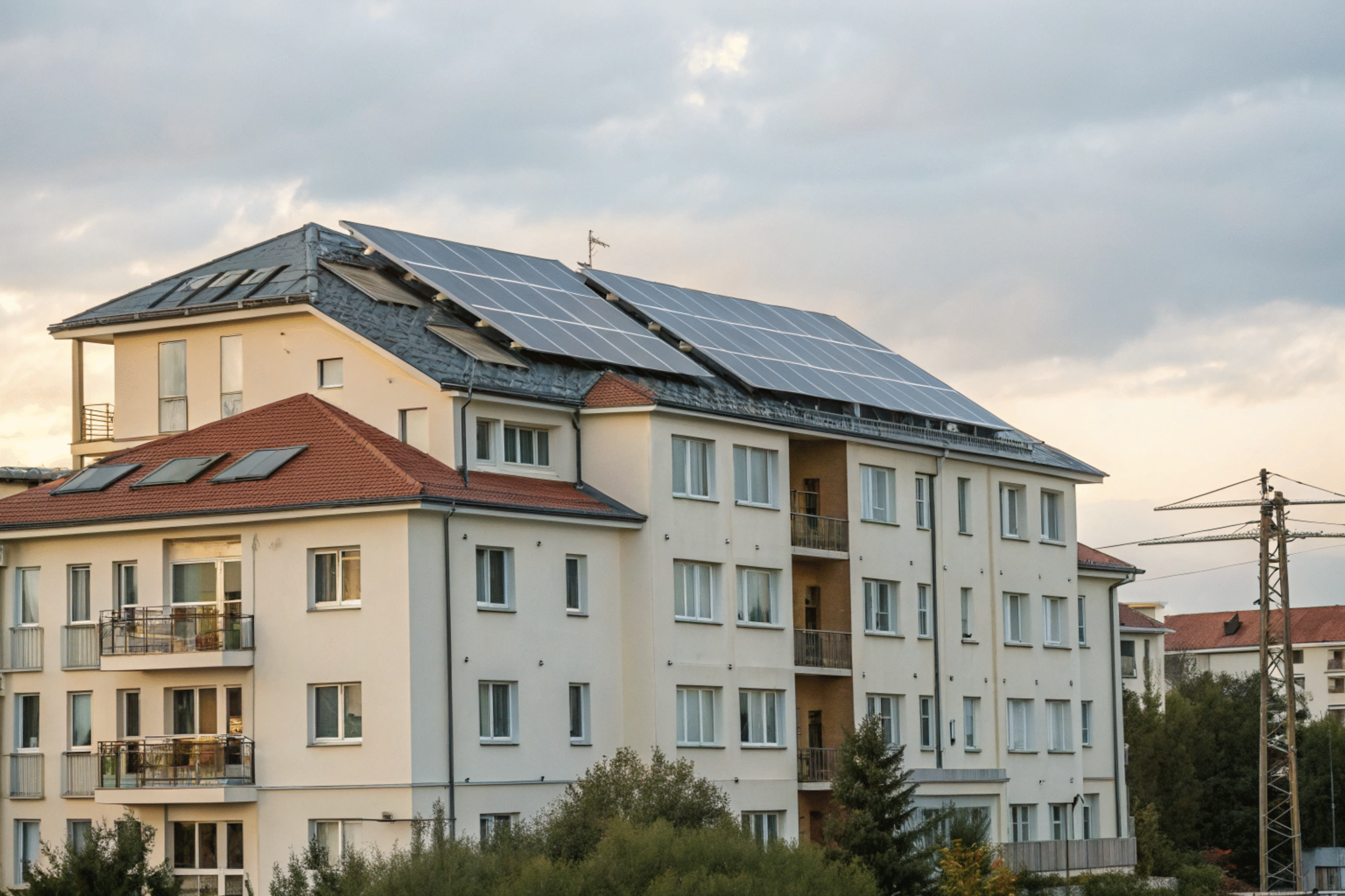


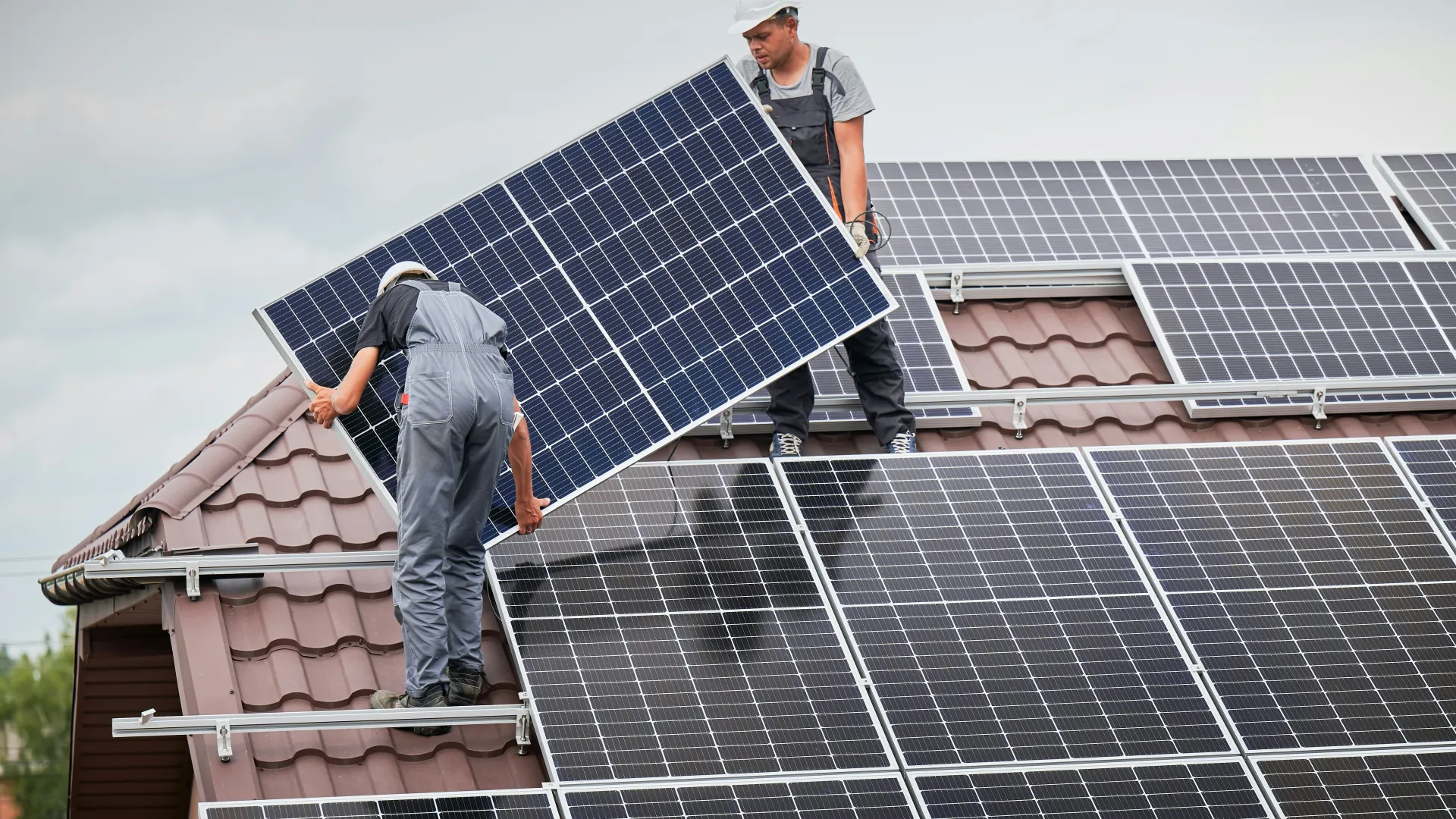
Solar panel technology is undergoing a rapid, disruptive evolution, pushing boundaries in efficiency, materials, and integration. Improvements in cell performance, the use of novel materials like perovskites, and flexible, adaptable designs are fundamentally transforming how solar energy is generated and deployed.
Higher efficiencies make solar energy a more viable and attractive option for homeowners, businesses, and entire cities, and reduce the space required for solar panels, allowing for greater electricity production from the same amount of sunlight. This increased efficiency has driven down the cost of solar power, making it more accessible to a broader audience and contributing to the widespread adoption of solar energy worldwide.
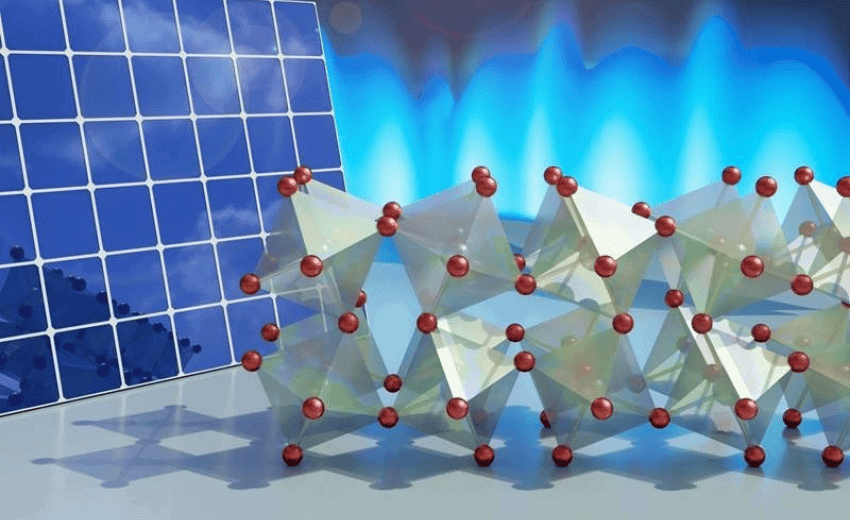
Perovskite Solar Cells
Perovskites are a family of semiconductor materials with a specific crystal structure, named after the mineral perovskite. They can absorb a wide spectrum of sunlight, including both visible and near-infrared wavelengths, making them exceptionally good at converting sunlight into electricity. These properties give perovskites a significant edge in terms of performance potential.
What sets this new solar technology apart is its simple, low-temperature manufacturing process. Unlike silicon, which requires energy-intensive purification and processing, perovskite solar cells can be fabricated using inexpensive materials and solution-based coating methods, offering a path toward high-volume, low-cost production. perovskite solar cells can be fabricated using inexpensive materials and solution-based coating methods, offering a path toward high-volume, low-cost production.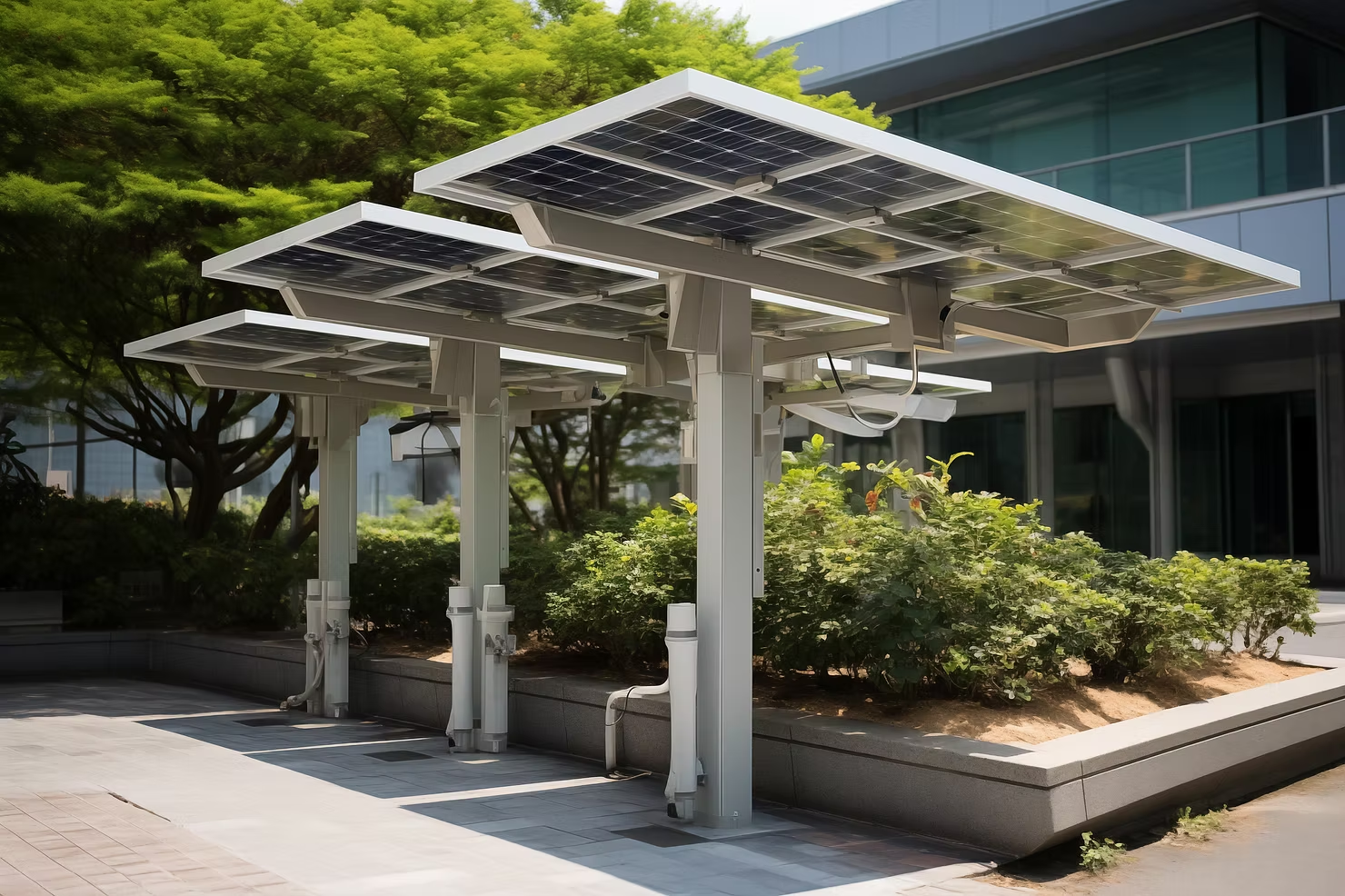
Bifacial Solar Panels
Bifacial Solar Panels provide a unique advantage in solar energy generation by capturing sunlight from both the front and back of the module. This innovative design allows them to utilize reflected sunlight from various surfaces, such as the ground, water, or nearby structures, resulting in increased electricity yield.
Recent advancements in bifacial solar panel technology have significantly boosted their market share in the renewable energy industry. The global market for bifacial solar technology has experienced remarkable growth, driven by rising demand for clean energy, enhanced efficiency, reduced costs, and notable environmental advantages.
Flexible and Lightweight Solar Panel
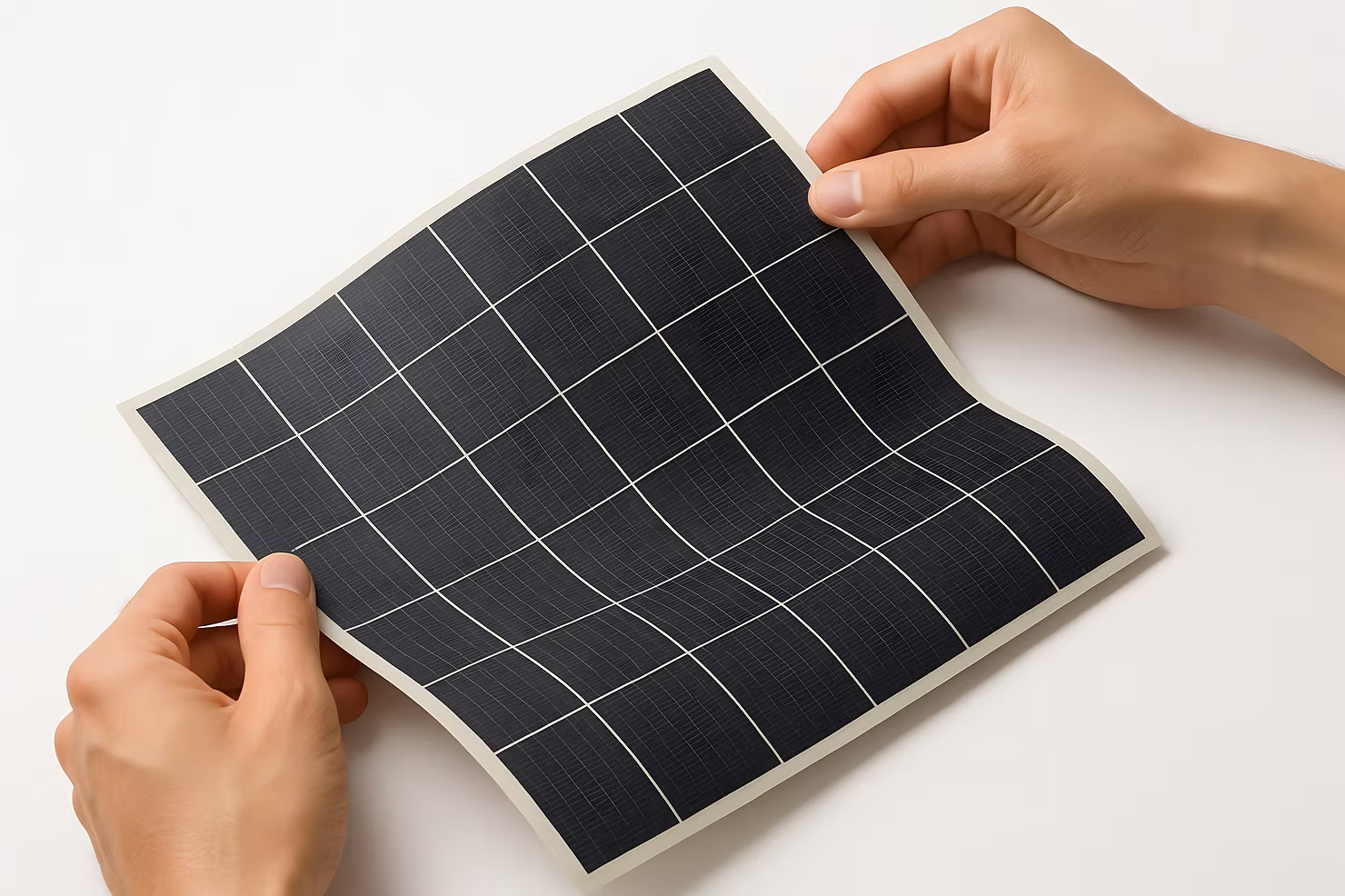
MIT researchers recently unveiled ultralight fabric solar cells, a major advancement in new solar panel technology. These solar cells are thinner than a human hair and can be laminated onto virtually any surface, from canvas to plastic. Despite weighing just one-hundredth of conventional glass-encased PV panels, they generate 18 times more power per kilogram, demonstrating impressive power-to-weight ratios. This breakthrough is a strong contender in the race to commercialize the latest solar panel technology for mobile and off-grid applications.
This new solar technology is particularly useful for portable solar solutions, wearable electronics, and emergency response kits. The flexible design makes it easy to conform to curved or uneven surfaces, like tents, vehicle roofs, drones, and even spacecraft. Researchers are also exploring textile-integrated PV, where solar fabrics could be used in jackets and backpacks to power small electronics.
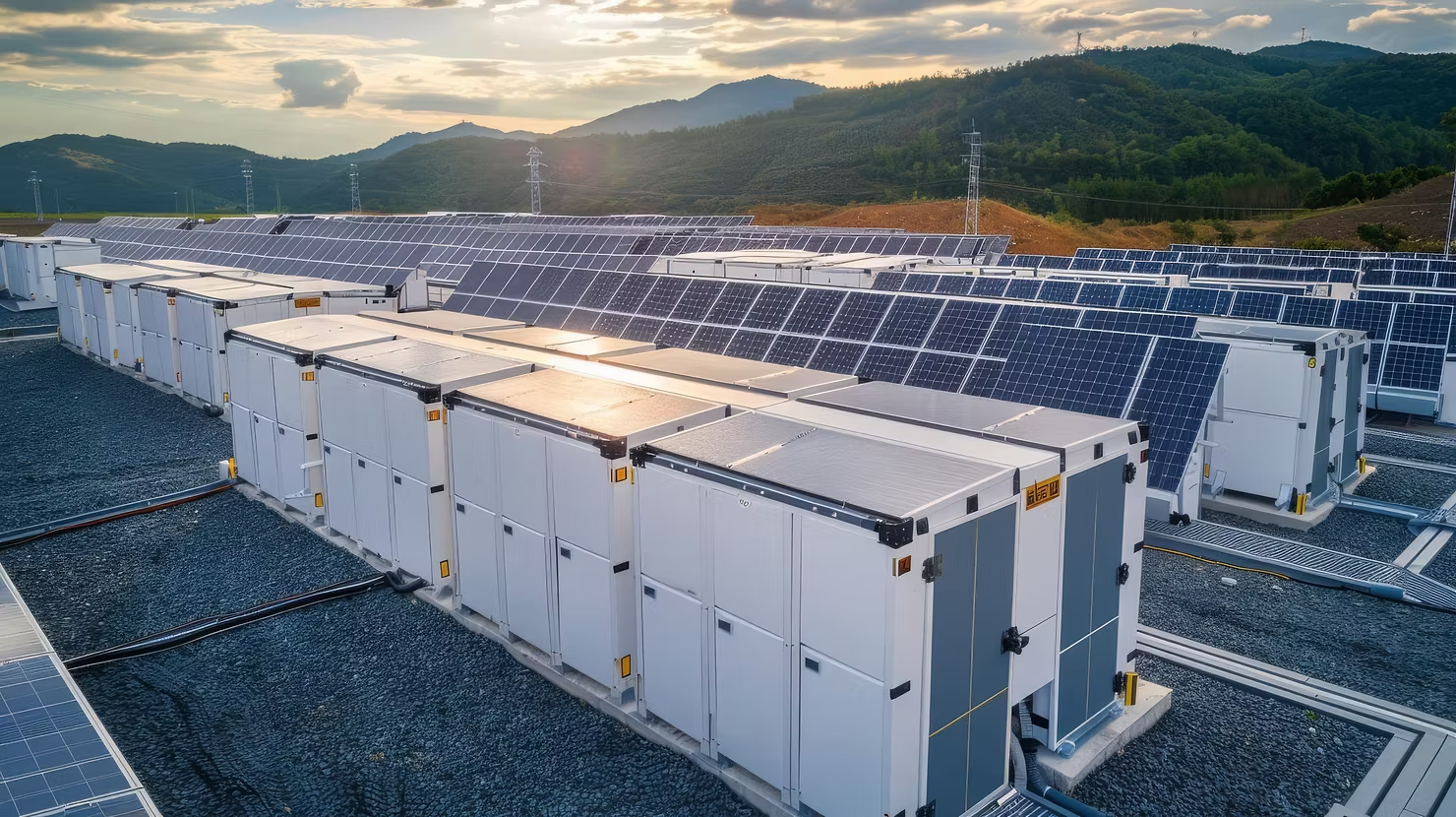
Energy Storage Systems Advancing
In 2025, the integration of energy storage systems with solar panels is expected to witness significant advances and updates. One key area of focus is the development of more advanced battery technologies, such as lithium-ion and flow batteries, specifically designed for solar energy storage. These batteries offer higher energy density, longer lifespan, and improved charging and discharging capabilities, allowing for more efficient utilization of stored solar energy.
Advancements in battery management systems (BMS) are anticipated to play a significant role in the future of solar technology, providing better control and optimization of energy storage. These systems will enable users to maximize the use of stored solar energy based on demand, grid conditions, or time-of-use pricing, ultimately leading to cost savings and increased energy efficiency.

Transparent Panels
One of the most striking innovations in solar panel technology is the development of transparent solar panels —a breakthrough that merges architectural design with renewable energy generation. Using advanced materials like transparent luminescent solar concentrators (TLSCs) or semi-transparent perovskite cells, this new solar panel technology allows surfaces such as windows, facades, and skylights to double as energy-harvesting devices without sacrificing visibility or light transmission.
Хоча прозорі сонячні панелі все ще перебувають на ранніх стадіях комерціалізації, вони демонструють потенціал для зниження споживання енергії в містах, особливо у висотних будівлях, де площа вікон значно перевищує площу даху. З розвитком нових технологій сонячних панелей очікується, що прозорі фотоелектричні системи відіграватимуть дедалі більшу роль у сталому будівництві та проектуванні будівель з нульовим енергоспоживанням.
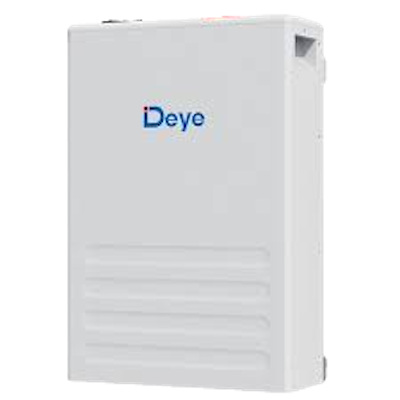
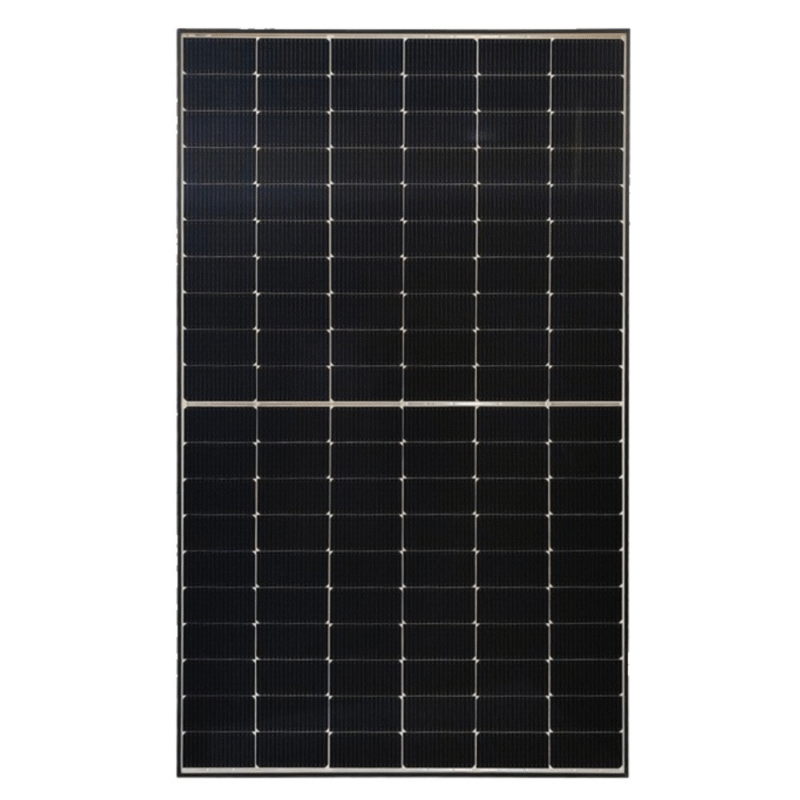

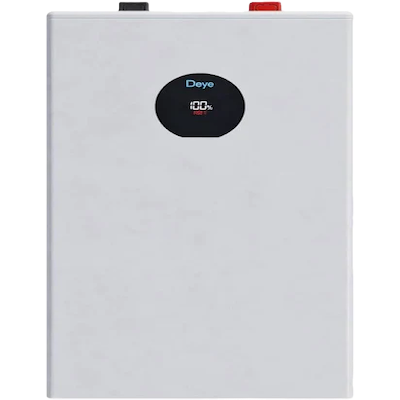
Innovations in the field of solar energy offer great opportunities, but most of these technologies are still in the development stage and are not yet widely available. However, you can already take advantage of tried-and-tested, effective solutions available on our website