

Solar energy is developing rapidly in Ukraine, and more and more homeowners are switching to generating their own electricity. This is not only a way to cut costs, but also an opportunity to ensure stability at a time of constantly rising tariffs and power cuts.
However, even today, many people put off installing a solar power system due to doubts, fears and widespread myths. Often, these perceptions were formed back when the technology was less advanced.
So let’s take a closer look — what’s actually true, and what’s just getting in the way of you making a right decision 👇
Myth No. 1: Solar power stations do not work in winter
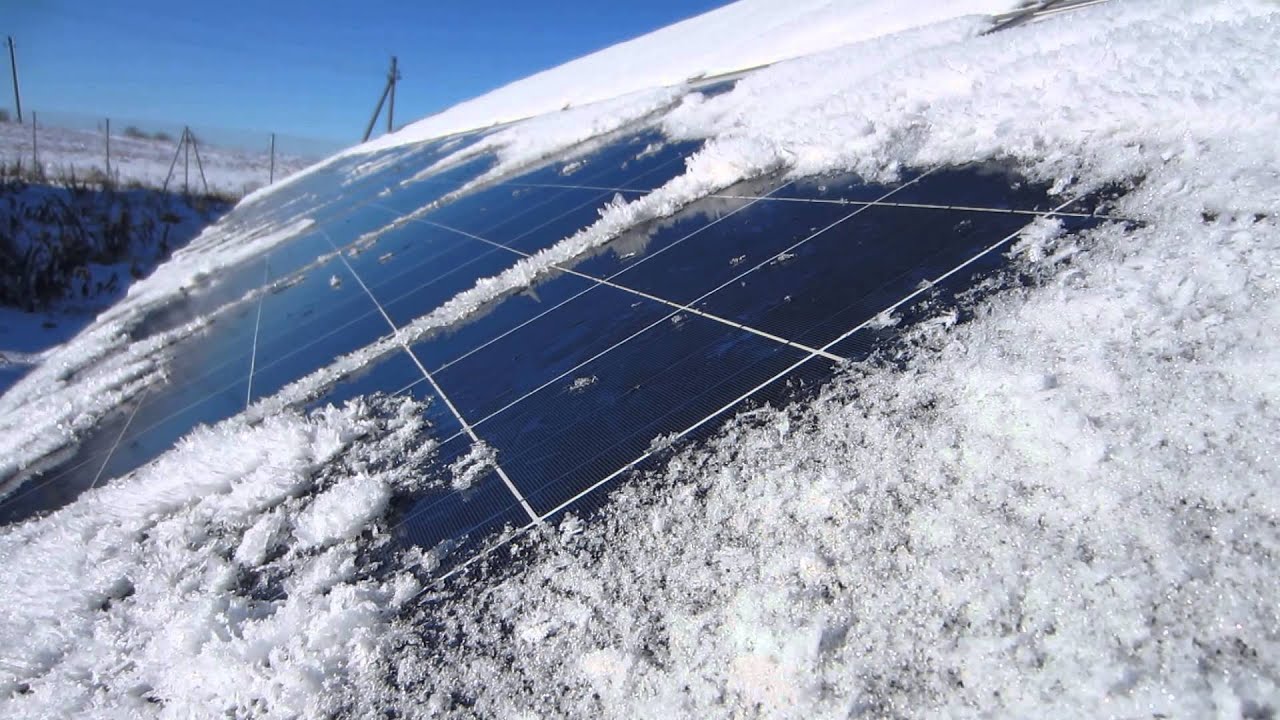
This is one of the most common myths. In fact, solar panels work all year round. They respond not to heat, but to light. What’s more, cold weather actually helps improve efficiency, as overheating reduces the modules’ output.
Even on overcast days, electricity is generated because the panels capture scattered light. And snow can act as a natural reflector, which sometimes even boosts energy production.
Myth No. 2: Solar panels do not work at night
No power is generated at night, but that’s not a problem. The surplus energy produced during the day can be stored in batteries or fed into the grid. What’s more, modern technologies such as bifacial panels and high-efficiency inverters allow you to make the most of even low levels of sunlight.
Myth No. 3: SES are harmful to the environment
In fact, solar energy is one of the most environmentally friendly ways of generating energy.
Solar power plants:
• produce no harmful emissions during operation
• generate no noise
• reduce dependence on fossil fuels
Yes, the production of solar panels does have a certain environmental impact, but this is fully offset within a few years of the system being in operation.
Myth 4: Solar panels break down quickly
Solar panels are known for their high reliability and long service life. Leading manufacturers typically offer a power output warranty of up to 25–30 years. This means that even after this period, the panels retain at least 80% of their original capacity.
Warranty and service life.
Modern solar panels are designed to provide decades of reliable operation. The rate of degradation (the gradual decline in efficiency) is minimal — on average around 0.5% per year — ensuring the system’s long-term performance.
Maintenance recommendations.
Home solar power systems do not require complex maintenance. It is sufficient to periodically clean the panels of dust, dirt or snow, and to monitor the condition of the system. A preventive inspection by specialists every few years will help to identify any potential faults in good time and extend the service life of the equipment.
Myth 5: It’s too expensive and doesn’t pay for itself
The cost of solar power stations has fallen significantly in recent years, whilst their efficiency has, on the contrary, increased considerably. Today, investments in solar panels pay for themselves on average within 5–10 years, and in some cases even sooner. This depends on electricity tariffs, consumption levels and the availability of government support schemes.
Payback in practice.
Let’s consider a simple example: the average lifespan of solar panels is 25–30 years. If the system pays for itself in around 7 years, then for the following 18–23 years you are effectively using electricity at minimal cost. Given the constant rise in electricity prices, such an investment becomes even more profitable over time.
Government support.
Many countries offer a range of incentives to promote the development of solar energy: subsidies, tax breaks and feed-in tariff schemes. These measures not only help to reduce installation costs but also enable people to earn additional income by selling surplus electricity back to the grid.
Please note:
When calculating the payback period, it is important to take into account not only the cost of the equipment, but also installation costs, as well as any potential subsidies or incentives, which could significantly affect the project’s overall cost-effectiveness.
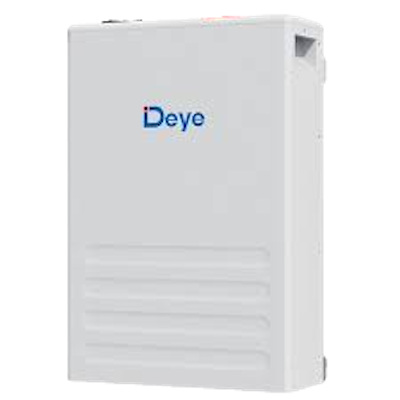
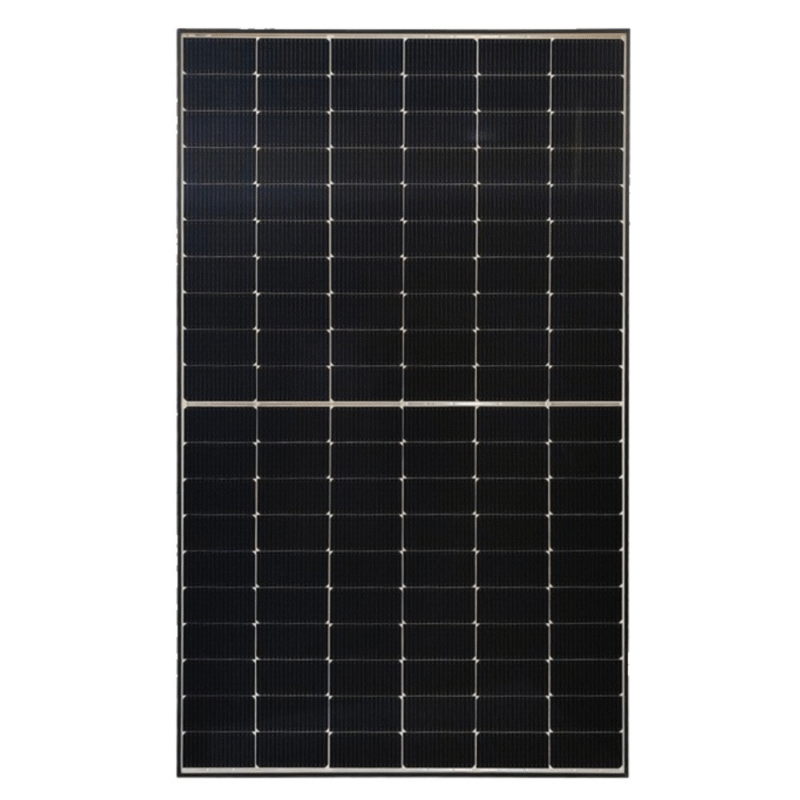
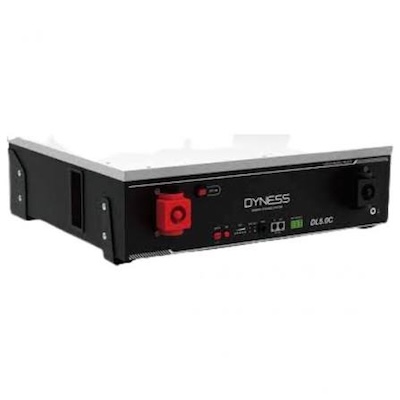
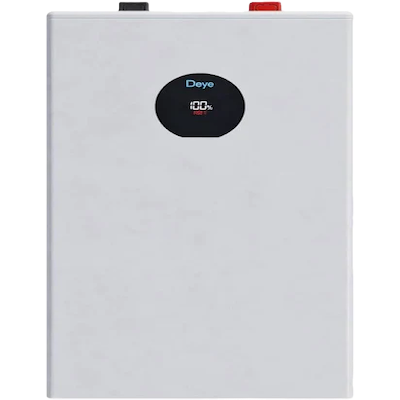
You can view the current range of panels and prices below👇
Myth 6: Installation is complicated and requires permits
Nowadays, installing solar power systems for private homes and holiday homes has become much simpler. In most cases, small-scale systems do not require complex planning permission procedures.
How does it work in practice?
If you plan to sell surplus electricity to the grid, the application process can indeed be more complicated and will require you to prepare the necessary documents.
However, if a solar power system is installed for personal use — for example, to supply a home with electricity or as a backup power source — the process is much simpler, quicker and does not require a large number of permits.
Important to note:
It is best to check the requirements with the local authorities in advance or consult specialists in SES installation. They are well versed in the current regulations specific to your region and will help you avoid unnecessary complications.
In most cases, professional installation companies take care of all the necessary paperwork, so you won’t have to waste time or stress yourself out — simply leave it to the experts.
Myth No. 7: Solar panels aren’t suitable for my home
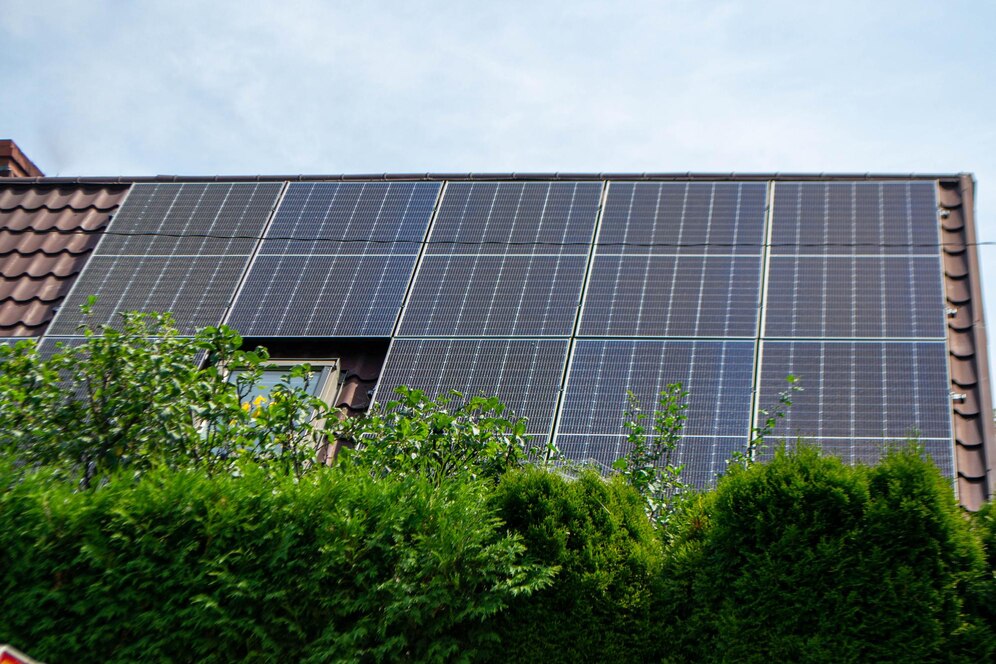
Most households can install a solar power system — the key is to choose the right system configuration, orientation and tilt angle for the panels. Modern technology makes it possible to adapt the solution to virtually any conditions.
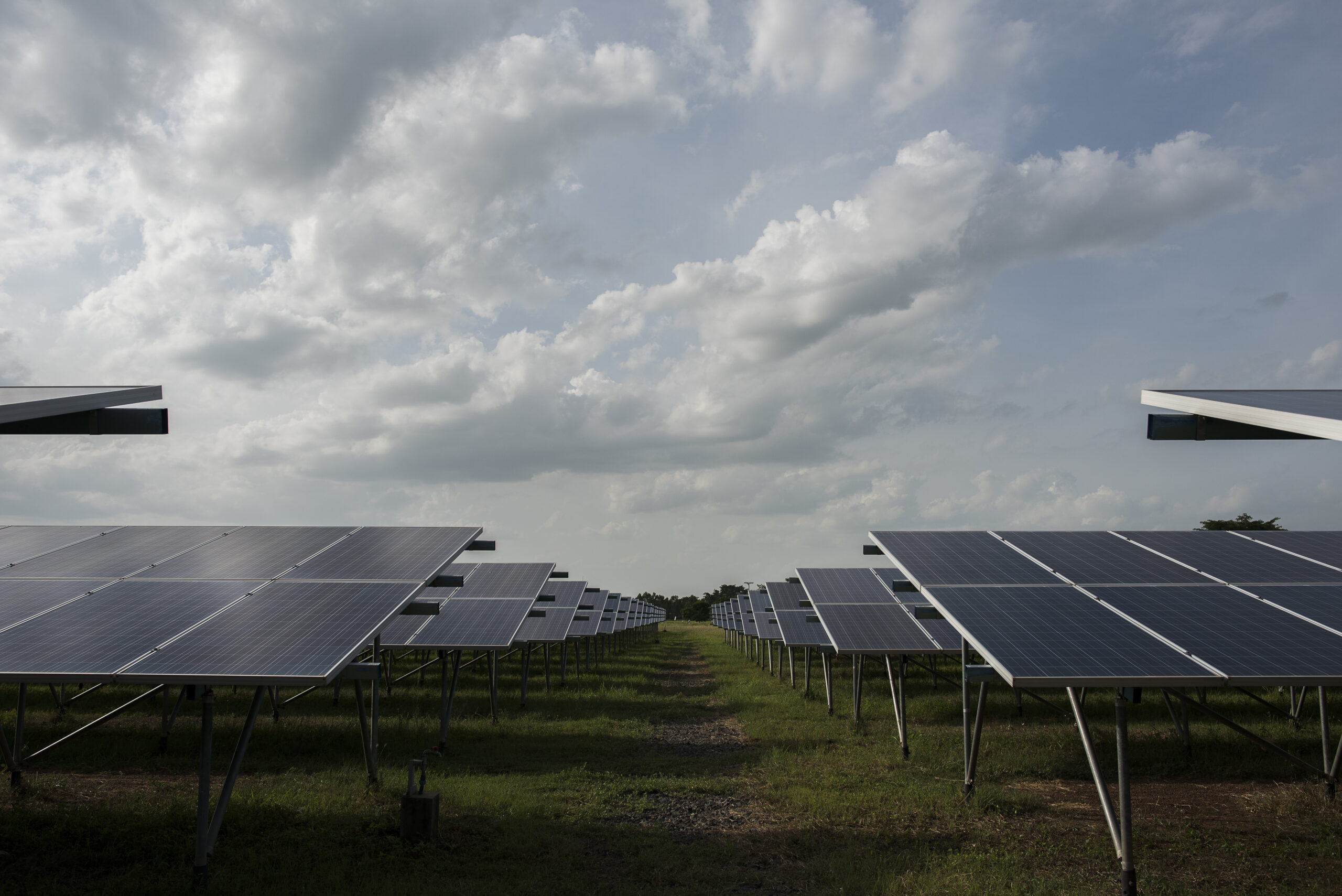
Even if the roof is not perfectly shaped or oriented, there are alternatives: installing panels on different planes, using power optimisers, or mounting the panels on ground-mounted structures.
Furthermore, it is not just the house itself that plays an important role, but also your electricity consumption. The power output of the system is tailored to this, ensuring it is as efficient and cost-effective as possible.
A professional calculation takes into account:
• the roof’s area and condition
• the level of shading (trees, neighbouring buildings)
• the roof’s orientation relative to the sun
• your monthly electricity costs
The result is a individual solution that works specifically for your home and allows you to make the most of solar energy.
Myth No. 8: Installing solar panels is a long and inefficient process
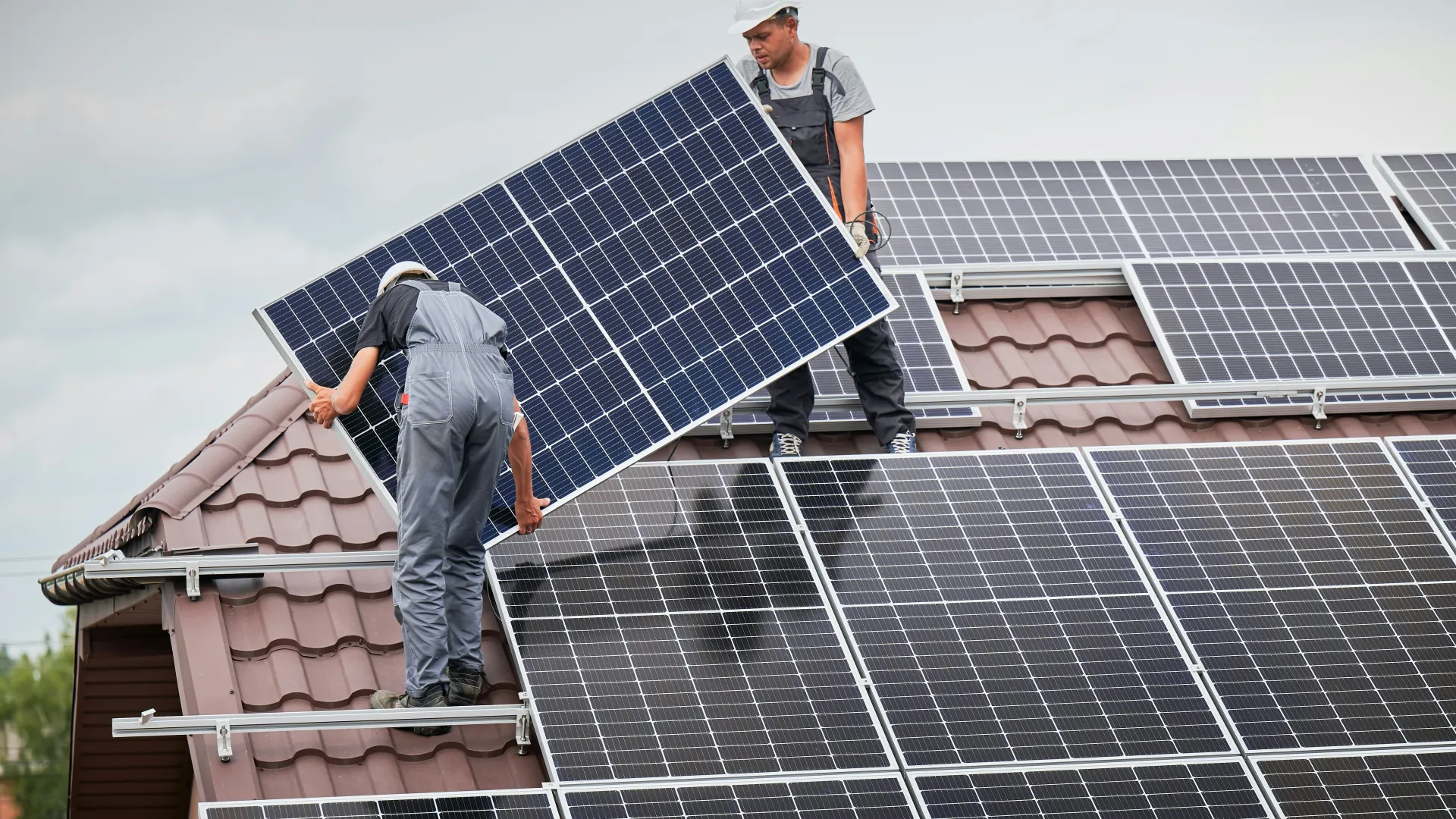
Many people believe that installing a solar power system takes weeks and is fraught with problems. In reality, installation usually takes just a few days, and professional companies carry out the entire project on a turnkey basis — quickly and efficiently.
The quality of the installation is confirmed not only by the warranties but also by feedback from owners: most note that the system has been running smoothly from day one, without the need for any additional adjustments or experiencing any faults.
This is evidenced by the feedback from our customers, which you can read below:
We’ve installed a 30 kW system on our warehouse. The price is fair, and the quality is top-notch. With the inverter and app-based monitoring, we have full control. I reckon we’ll recoup our investment sooner than we thought👌
Good afternoon! Well done, guys! You came, got the job done, hooked everything up – and it all looks really great. Thanks for the top-notch work!☺️
We got in touch with MEGASOLAR on the recommendation of friends. They drew up a design for us and installed everything in three days. We saw savings on our electricity bill as early as the first month. A special thank you for the honest advice – everything’s great!